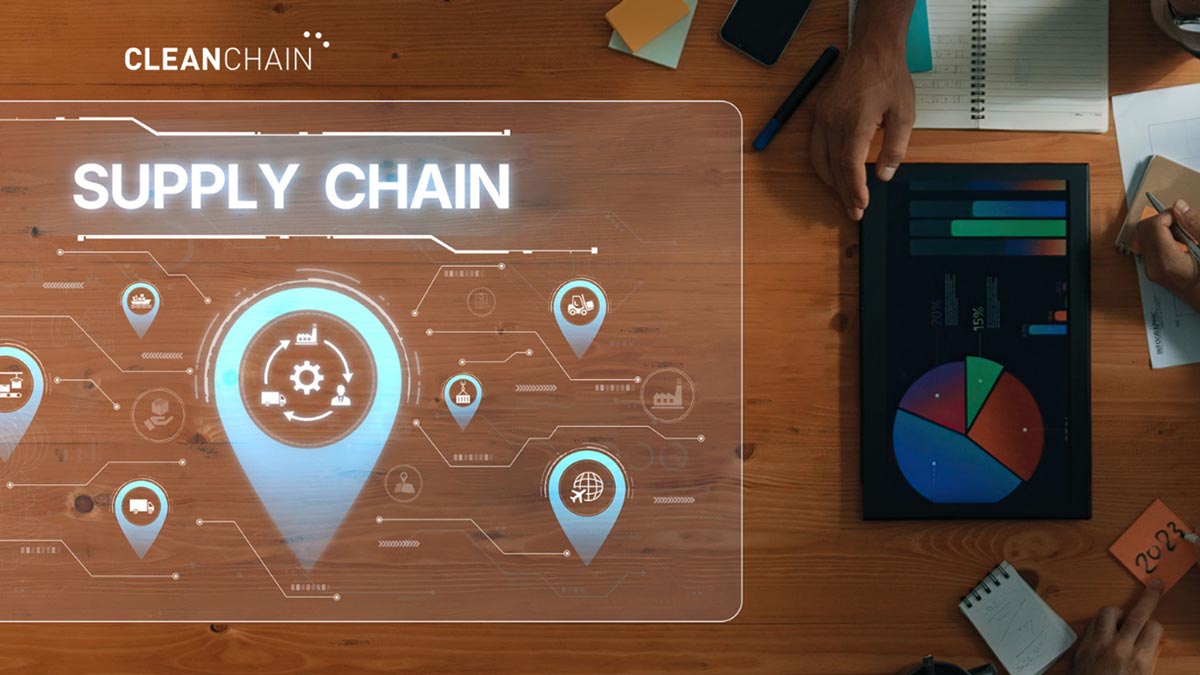
In a recent poll we asked textile suppliers about the biggest challenges in maintaining supply chain transparency. The results were striking: many suppliers lose contracts, not because of product quality, but because they can’t prove their chain.
Supply chain transparency isn’t just a buzzword, it’s now a critical factor for winning and retaining business. Brands and buyers want to know that every stage of production meets compliance, sustainability, and ethical standards. For suppliers, this means demonstrating traceability across multiple tiers of raw materials, processing, and finishing.
The Complexity of Multi-Tier Traceability
Traceability is straightforward when you’re dealing with direct suppliers or a single tier. But textile supply chains are rarely that simple. A single garment can involve dozens of suppliers, from cotton farms and yarn spinners to dye houses and finished goods manufacturers. Tracking each tier requires accurate data, verified documentation, and seamless communication across all parties.
Suppliers often face challenges such as:
- Incomplete data from upstream suppliers: Not every partner has robust reporting or standardised information.
- Dispersed operations across regions: Working with multiple countries introduces differences in regulations, reporting standards, and languages.
- Time-consuming manual processes: Without digital tools, collecting and validating data from each tier can be slow and error-prone.
- Limited visibility into chemical compliance: Particularly in textiles, where chemicals, dyes, and finishes must meet strict environmental and safety standards.
Why Transparency Matters
Brands and retailers are increasingly scrutinising their supply chains. They need proof that every tier meets sustainability, safety, and ethical requirements. Suppliers who cannot provide verified evidence risk losing contracts, even if the quality of their products is exceptional.
Transparency is a competitive differentiator. Suppliers who can provide verified, multi-tier traceability gain trust, reduce risk, and strengthen long-term partnerships with buyers.
Overcoming the Traceability Challenge
The key is structured, technology-driven processes that simplify multi-tier traceability. Solutions that centralise data collection, automate verification, and generate clear compliance reports help suppliers:
- Stay aligned with buyer expectations
- Reduce delays and errors in reporting
- Demonstrate compliance across all tiers
- Support continuous improvement and sustainability goals
Investing in traceability isn’t just about compliance, it’s about protecting your business, winning more contracts, and building confidence in your supply chain.
Contact us cleanchaininfo@adec-innovations.com