
In an era of heightened environmental awareness, sustainability has become a critical priority for textile manufacturers.
With increasing consumer demand for ethical and eco-friendly products, manufacturers are shifting their strategies to reduce their carbon footprint, adopt sustainable materials, and implement recycling and upcycling initiatives.
The Shift Towards Sustainable Practices
The textile industry has long been one of the largest contributors to pollution, with high water consumption, chemical waste, and carbon emissions. However, forward-thinking manufacturers are now embracing sustainability as a core value. Companies are investing in energy-efficient production methods, reducing waste, and prioritizing sustainable raw materials such as organic cotton, hemp, and recycled polyester. Innovations in textile dyeing processes are also helping to minimize water usage and chemical discharge.
Recycling and Upcycling: A Circular Approach
A major trend driving sustainability in textiles is the adoption of circular economy principles. Recycling and upcycling initiatives are gaining momentum as manufacturers explore ways to repurpose post-consumer waste and pre-consumer textile scraps. Brands are increasingly designing products with end-of-life recyclability in mind, ensuring that materials can be reintegrated into the production cycle rather than ending up in landfills.
The Role of Technology in Sustainable Manufacturing
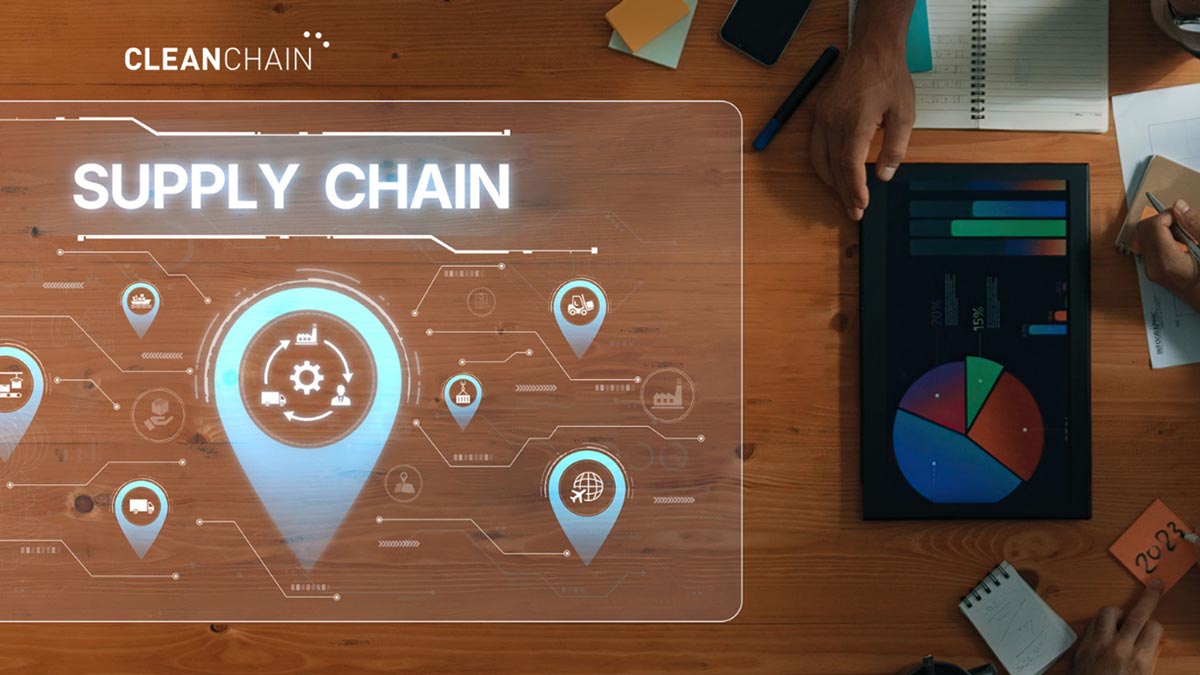
Technology plays a crucial role in enabling sustainable textile production. Digital platforms and data-driven solutions help manufacturers monitor supply chains, track environmental impact, and enhance transparency. Technology, for instance, is being used to ensure traceability and ethical sourcing of materials. Additionally, AI-powered analytics are optimizing resource allocation, reducing waste, and improving overall efficiency.
Industry Perspectives
Dan, Managing Director, CleanChain Comment:
“As sustainability expectations rise, manufacturers must take proactive steps to meet environmental compliance and chemical management standards. Platforms like CleanChain help companies track sustainability metrics, ensuring alignment with regulatory requirements. By leveraging data and transparency, manufacturers can build responsible supply chains and make meaningful progress toward sustainability.”
Karin, CEO of Leadership & Sustainability, Comment:
“The transition to sustainability in the textile industry is not just an option; it is a necessity. Consumers, investors, and regulators are all demanding greater accountability. By integrating sustainable materials, circular business models, and transparency, manufacturers can future-proof their businesses and contribute to a healthier planet.”
Conclusion
Sustainability in the textile industry has shifted from a niche concern to a mainstream imperative. Manufacturers adopting sustainable practices, investing in responsible sourcing, and leveraging technology not only comply with global regulations but also enhance brand reputation and long-term profitability. The path to sustainability is continuous, yet with innovation and dedication, the textile industry can substantially decrease its environmental impact and lead toward a more sustainable future. Contact us to support your journey toward sustainable practices.
For more contact us cleanchaininfo@adec-innovations.com