Managing chemicals effectively and minimizing their environmental impact requires robust tools and actionable insights.
Chemicals are a cornerstone of manufacturing processes, enabling industries such as textiles, electronics, and healthcare to deliver products that meet the highest standards of quality, durability, and performance. However, while essential, the use of chemicals brings with it challenges that, if unmanaged, can negatively impact the environment, workers’ health, and business operations.
The Role of Chemicals in Production
In various sectors, chemicals play diverse and vital roles:
- Textile Manufacturing: Dyes, softeners, and finishing agents enhance fabric quality, colour vibrancy, and texture.
- Electronics: Chemicals like solvents and adhesives are critical for the production of circuit boards, semiconductors, and other electronic components.
- Healthcare Production: Sterilizers, disinfectants, and cleaning agents ensure hygiene and safety in medical equipment and facilities.
While indispensable, the improper use or disposal of these chemicals can lead to operational inefficiencies, environmental pollution, and health hazards for workers and surrounding communities.
Addressing these challenges requires industries to adopt comprehensive chemical management practices and embrace sustainable solutions.
Managing Chemical Use
To ensure safe and efficient operations, manufacturers must adopt robust chemical management practices. Key strategies include:
- Inventory and Monitoring:
Maintain an up-to-date inventory of all chemicals used. Tracking chemical usage helps identify areas of overuse and ensures compliance with legal requirements. - Employee Training:
Equip employees with knowledge on safe handling, storage, and disposal of chemicals. Training reduces workplace accidents and ensures adherence to environmental standards. - Supplier Collaboration:
Work with suppliers to source safer chemical alternatives and stay informed about regulatory changes. This collaboration can lead to the adoption of more sustainable practices.
Minimizing Environmental Impact
The environmental impact of chemical use is significant, from water and soil contamination to air pollution. Manufacturers must take proactive steps to mitigate these effects:
- Adopt Safer Alternatives:
Replace hazardous chemicals with environmentally friendly options. For example, use water-based adhesives instead of solvent-based ones. - Implement Circular Practices:
Recycle and reuse chemicals where possible, reducing waste and conserving resources. - Invest in Sustainable Technology:
Advanced technologies, such as wastewater treatment systems and emission control devices, can reduce the environmental footprint of chemical use. - Compliance with Standards:
Ensure adherence to frameworks like REACH, which sets guidelines for minimizing hazardous chemical discharge.
How CleanChain Can Assist
Managing chemicals effectively and minimizing their environmental impact requires robust tools and actionable insights. CleanChain is your partner in achieving these goals.
With features tailored to the complexities of chemical management, CleanChain offers:
- Conformance: Ensure compliance with global sustainability standards.
- Comprehensive Reporting: Track chemical usage and environmental impacts through user-friendly dashboards.
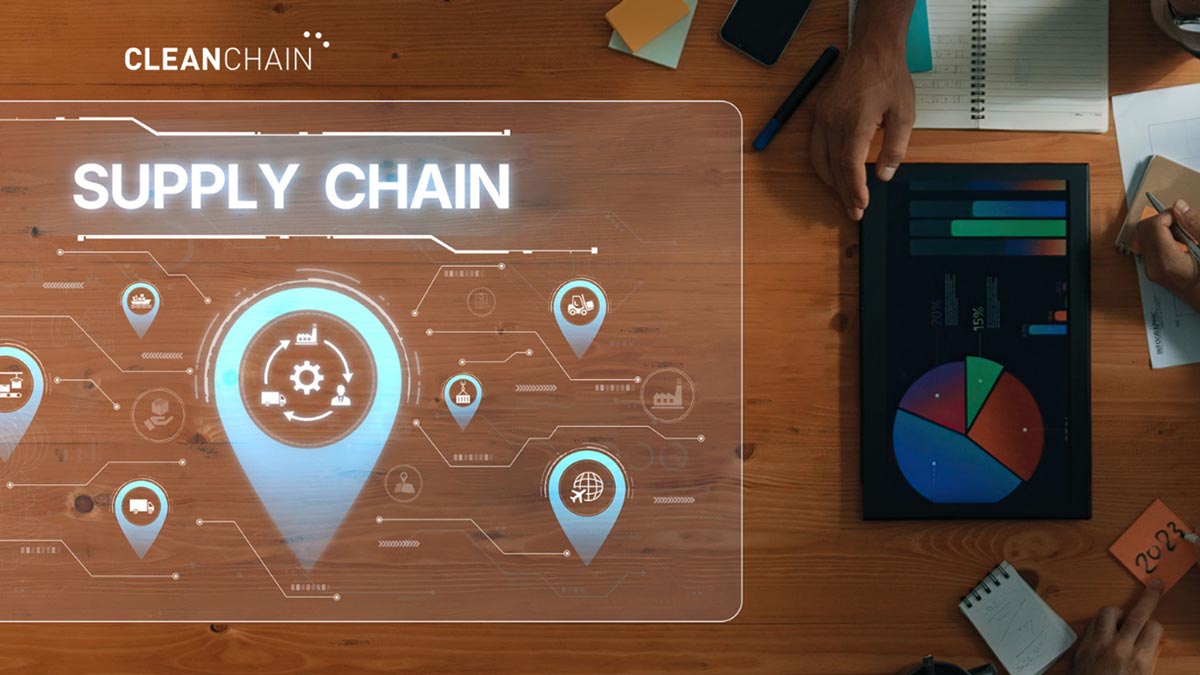
- Supply Chain Visibility: Map your supply chain to identify risks and improve transparency.
By integrating CleanChain into your processes, you can confidently navigate the challenges of chemical management while contributing to a more sustainable future.
Take the first step towards a safer, more efficient production process. Contact us cleanchaininfo@adec-innovations.com