Why Sustainable Supply Chains Fail Without Connected Systems
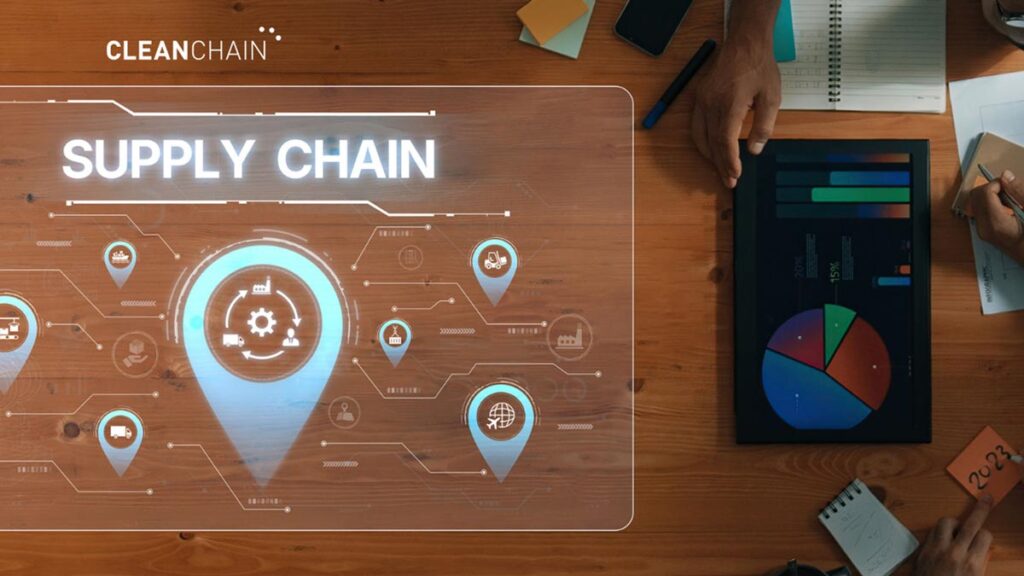
Going green isn’t optional. A sustainable supply chain is the new standard. They are a business imperative, driven by regulatory pressure, brand accountability, investor scrutiny, and growing consumer expectations. Yet despite increased investment in sustainability programs, audits, and reporting tools, many supply chains continue to struggle to deliver meaningful, measurable impact. The problem isn’t a […]
Do You Want to Eliminate Hazardous Chemicals from Your Supply Chain?

Chemical management isn’t just about checking boxes anymore. Organisations face pressure not only from regulators but also from consumers, investors, and partners. Meeting compliance is necessary, but it’s the bare minimum. The modern landscape demands proactive strategies that integrate sustainability, transparency, and risk mitigation. The Evolution of Chemical Management Gone are the days when chemical […]
Is Your Supply Chain Technology Holding You Back
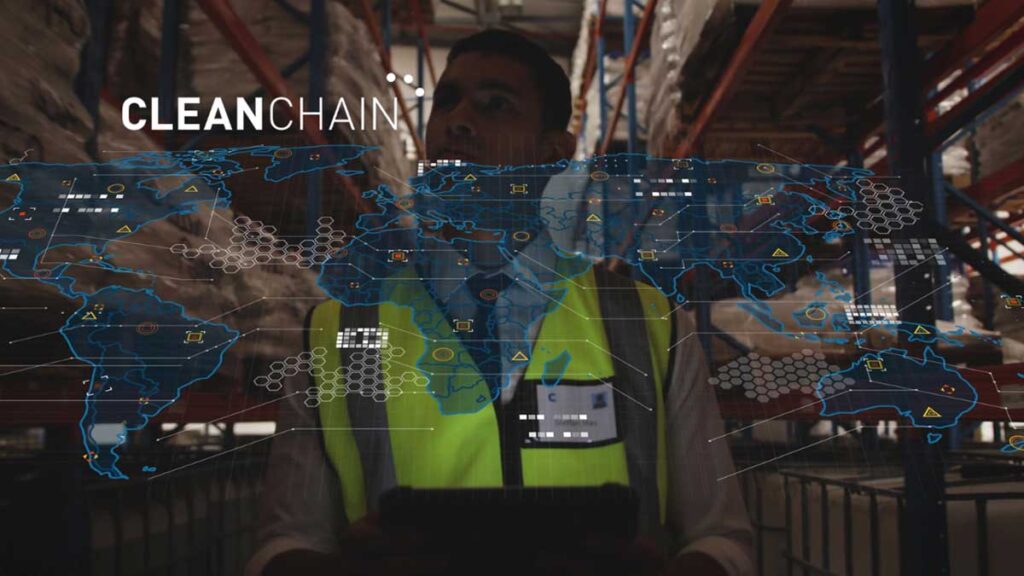
Supply chains have evolved from simple networks of suppliers and warehouses into strategic engines that drive efficiency, risk management, and sustainability outcomes. Yet 61% of businesses report their supply chain technology is outdated or fragmented, creating blind spots and operational inefficiencies, according to a 2025 Gartner survey. Meanwhile, 72% of supply chain executives spend more time reconciling […]
Is Your Chemical Data Ready for the Digital Product Passport?

Regulation is reshaping the way brands manage chemical information and the shift is structural, not incremental. The Ecodesign for Sustainable Products Regulation (ESPR) has introduced the Digital Product Passport (DPP) framework. The textile specific delegated acts, including the exact data requirements, are still being finalised. However, the direction is clear. Structured and verifiable sustainability data will be required for […]
Smarter Operations: Protecting Profit Margins in Times of Inflation

Inflation is squeezing the foodservice industry from all sides. Rising ingredient prices, escalating energy bills, and unpredictable supply chains are forcing kitchens to make tough choices, often between maintaining quality and protecting profit. But what if the answer lies not in cutting corners, but in running your operations smarter? The Cost of Overproduction In large-scale […]
Embrace the Future: How New Foodservice Models Create Opportunity for Scalable Solutions

Traditional dine-in formats are giving way to delivery-only kitchens, pop-ups, and rapid expansion of agile chains offering fresh avenues for operators—but also new challenges. As these new models flourish, lightweight, scalable systems that efficiently manage resources (food, energy, water, emissions) become critical. Here’s how FoodChain can help—and why the timing couldn’t be better. The Rise of […]
Turning Surplus into Value: How UK Kitchens Are Tackling Leftover Waste

Across the UK, food waste isn’t just an environmental concern, it’s a social and economic challenge with real-world consequences for communities and businesses alike. Recent data shows surplus food redistribution is on the rise, but vast quantities of edible food still go unused. In 2023, organisations dedicated to diverting good‑to‑eat surplus documented around 191,000 tonnes of redistributed food, […]
The Supplier’s Guide to Smarter SDS Management
Managing Safety Data Sheets (SDS) has never been more critical for suppliers in the textile and chemical industries. Stricter regulations, brand scrutiny, and sustainability demands mean that errors or delays in SDS handling can quickly turn into compliance headaches and risk business relationships. Yet many suppliers still rely on spreadsheets, scattered files, and manual processes, […]
11 Steps for Reducing PFAS Exposure in Electronics Manufacturing

What can the electronics industry do about PFAS-exposure risk? Direct exposure to PFAS in the electronics production process poses a significant health risk to employees, inviting potential workforce health complications and legal liabilities related to occupational safety and health. Here are a few strategies to consider: In implementing these measures, it is essential to comply […]
Navigating PFAS Regulations in Clothing and Apparel: A CleanChain Guide

Global regulations concerning PFAS in clothing and apparel exhibit variability, as different countries and regions implement diverse strategies to restrict the incorporation and discharge of PFAS in consumer goods. Concerns about the environmental and health impacts of Per- and Polyfluoroalkyl Substances (PFAS) have led to increased scrutiny and regulations in various industries. The clothing and […]