CleanChain can significantly support organizations in adopting safer chemical alternatives by providing tools, insights, and streamlined processes that prioritize sustainability and compliance.
In a world increasingly aware of environmental and health concerns, businesses are seeking safer, more sustainable alternatives to hazardous chemicals. Transitioning to environmentally friendly options is not only a moral responsibility but also a strategic decision that fosters innovation, enhances brand reputation, and aligns with global sustainability goals.
Why Choose Safer Alternatives?
Hazardous chemicals often pose significant risks to human health and the environment. They can lead to long-term health issues, contribute to pollution, and exacerbate climate change. By adopting safer alternatives, businesses can reduce their ecological footprint while protecting their workforce and customers. Moreover, regulations and consumer preferences are increasingly favouring green initiatives, making it essential for businesses to adapt.
An Example: Water-Based Adhesives vs. Solvent-Based Adhesives
A prime example of this shift is the replacement of solvent-based adhesives with water-based ones.
- Solvent-Based Adhesives: These contain volatile organic compounds (VOCs) that can evaporate into the air, causing indoor air pollution and contributing to smog formation. They also pose health risks, including respiratory issues and skin irritation.
- Water-Based Adhesives: These are made with fewer or no VOCs, making them safer for both workers and the environment. They are effective, versatile, and compatible with various applications, offering a seamless alternative to their solvent-based counterparts.
Benefits of Safer Alternatives
- Healthier Work Environments: Reducing exposure to harmful chemicals protects employees from potential health hazards, creating a safer workspace.
- Environmental Sustainability: Safer alternatives minimize pollution and resource depletion, contributing to a healthier planet.
- Regulatory Compliance: Many industries face strict regulations on chemical usage. Opting for safer options ensures compliance and avoids potential fines or legal challenges.
- Cost Savings: Although the upfront cost of switching may be higher, long-term savings arise from reduced health risks, waste management expenses, and improved efficiency.
- Consumer Appeal: Sustainability-conscious consumers prefer brands that prioritize environmental responsibility, boosting customer loyalty and brand equity.
How to Transition to Safer Alternatives
- Evaluate Current Practices: Identify chemicals used in your operations and their associated risks.
- Research Alternatives: Look for eco-friendly substitutes that align with your needs, such as water-based, biodegradable, or non-toxic options.
- Collaborate with Experts: Partner with suppliers, environmental consultants, or industry experts to ensure a smooth transition.
- Test and Implement: Conduct trials to confirm the effectiveness of the alternatives before full-scale implementation.
- Educate Stakeholders: Train employees and inform customers about the benefits of the new practices to foster understanding and support.
How CleanChain can assist:
CleanChain can significantly support organizations in adopting safer chemical alternatives by providing tools, insights, and streamlined processes that prioritize sustainability and compliance. Here’s how:
- CleanChain connects users to a database of chemicals, enabling them to review detailed information on their safety profiles, including compliance with regulations like ZDHC MRSL (Manufacturing Restricted Substances List).
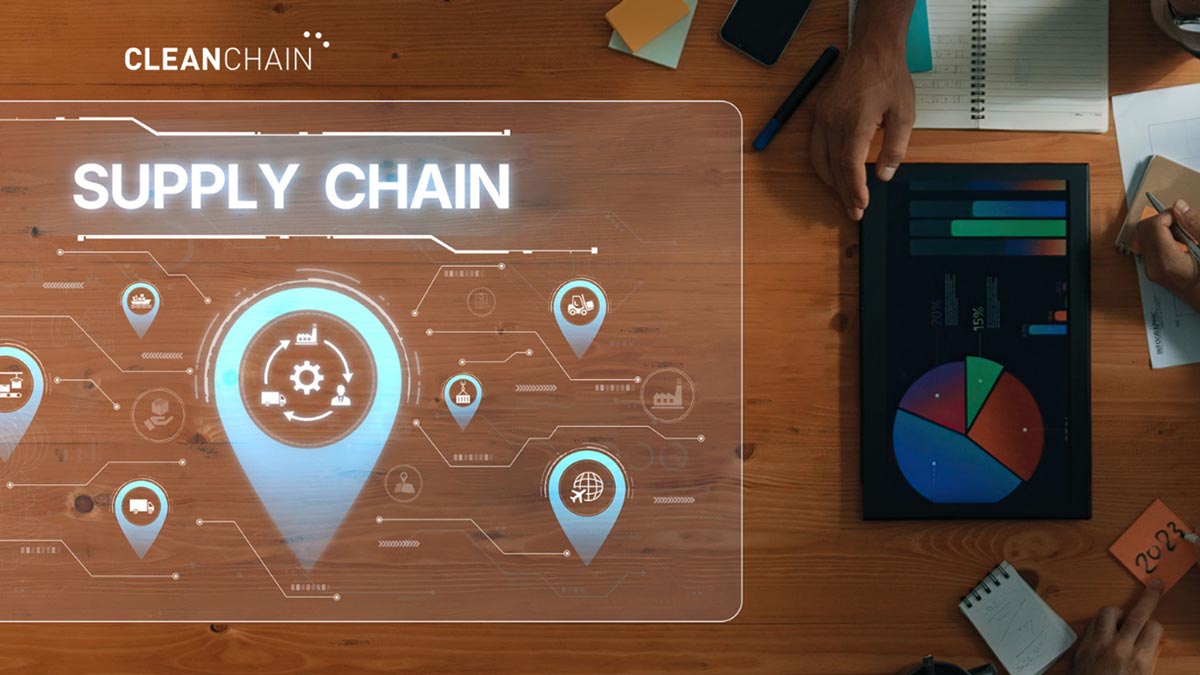
- The platform facilitates supply chain mapping, giving visibility into chemical use at every stage. This helps identify high-risk areas where safer alternatives could make a significant impact, ensuring informed decision-making.
- Through its user-friendly dashboards and performance reports, CleanChain helps assess the risks associated with current chemicals. By tracking regulatory compliance and environmental impact, it encourages the shift towards chemicals with safer profiles.
- CleanChain tracks progress through sustainability metrics, allowing companies to measure improvements resulting from the adoption of safer chemical alternatives. This supports reporting and demonstrates commitment to sustainable practices.
Contact us: cleanchaininfo@adec-innovations.com